Quick summary
Building an ecommerce website is crucial for modern businesses. It lowers operational costs compared to a physical store, expands your reach to a global audience, meets customers where they start their shopping journey (online), and allows for easier business scalability. It's a strategic move for growth.
“If you are a new business or have been in action for a while, you cannot afford to not have an internet presence in this day and era.”
The Growing Importance of Ecommerce
First launched about 40 years ago, electronic commerce has continuously helped countless companies grow. Accounting for 21.3% of overall retail revenues in 2020, ecommerce is the future of retail. In today’s convenience-focused world, customers prefer to shop from home, making an online store a vital channel for both businesses and buyers.
Reduce Operational Costs
The cost to build an eCommerce website is significantly less than establishing a physical store. With an automated online distribution system, you save money on employees, salaries, and overhead expenses like rent and utilities. These savings can be reinvested into improving your website and expanding your product line more quickly than in a traditional retail setting.
Meet Customers Where They Are: Online
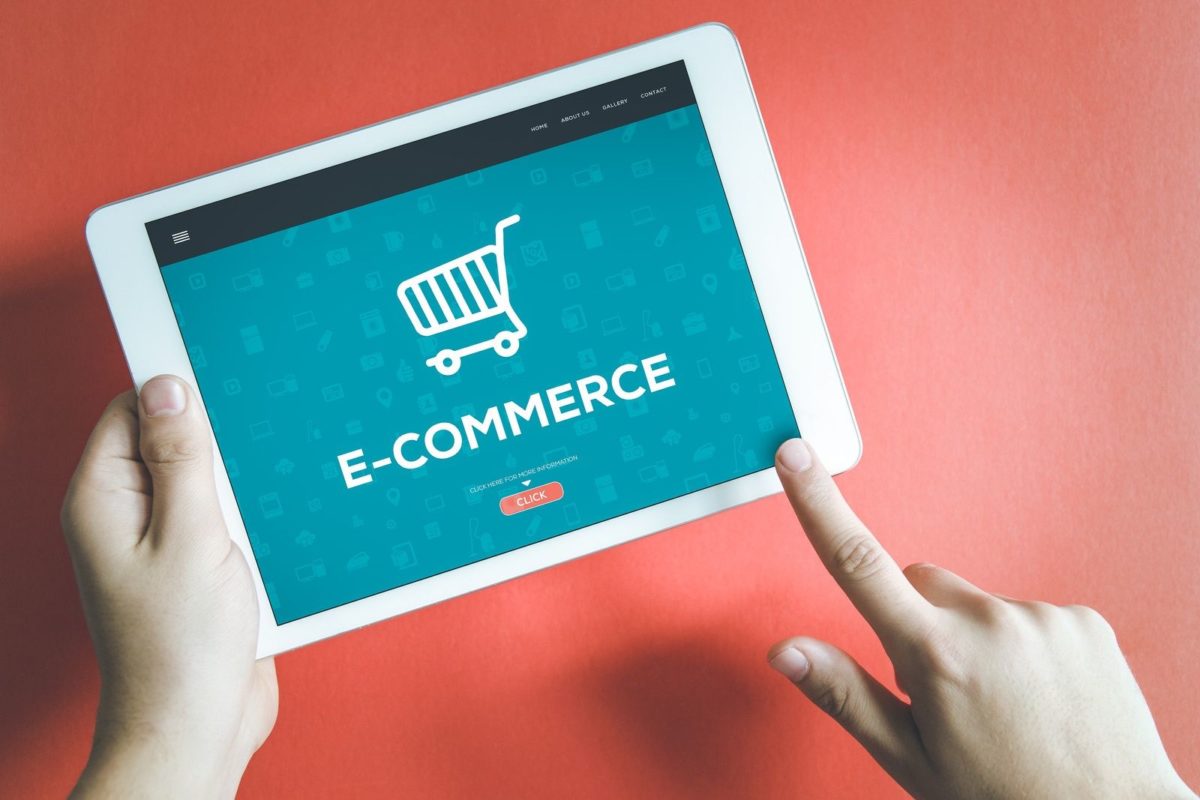
The shift to digital is undeniable. 87% of shoppers now begin their product search on digital platforms, a jump from 71% in 2017. Even when a purchase is made in a physical store, the journey almost always starts online. This highlights the massive and growing number of customers actively making purchases through websites.
Expand Your Reach to New Markets
An ecommerce platform removes geographical limitations. The internet’s global accessibility means thousands of potential customers worldwide can visit your website at any time. This provides far greater opportunities for growth compared to the limited reach of a local store or regional advertising. A customer from another country can easily find you and place an order, a scenario highly unlikely via traditional means.
Scale Your Business with Ease
One of the most significant advantages of ecommerce is simplified scalability. Expanding a physical store requires more floor space, increased staff, and significant capital investment. In contrast, scaling an online store is much easier; it primarily requires more stock, a few digital updates, and potentially more storage capacity. You can grow your business globally without opening new physical locations.
Need a migration partner?
Ready to Launch Your Ecommerce Store?
Our team at Mejix can help you build a powerful ecommerce website tailored to your business goals, helping you increase revenue and grow your brand. We'll work with you from concept to launch to ensure your online store is a success.
Start Your ProjectFrequently asked questions
Why is an ecommerce website important for a business?
An ecommerce website is crucial because it helps businesses grow by leveraging technology, reaching customers who prefer shopping from home, and tapping into a market that now accounts for a significant portion of all retail sales.
Is it cheaper to start an ecommerce store than a physical one?
Yes, the cost to build an ecommerce website is generally lower than establishing a physical store. This is because the entire distribution system can be automated online, saving money on staff, rent, and other operational expenses like utilities.
How does an ecommerce site help in acquiring new customers?
An ecommerce website is accessible to millions of people globally, 24/7. This allows a business to reach a much wider audience than a local high-street shop or regional advertising campaign ever could, breaking down geographical barriers.
Where do most shoppers start their product search?
A significant majority—87% of shoppers—begin their product search on digital platforms like Google or social media. Even if they ultimately buy in a physical store, their discovery journey almost always starts online.
Can an ecommerce business scale up easily?
Yes, scaling an online store is much simpler and more cost-effective than expanding a physical one. It typically involves adding more stock, making a few digital adjustments, and increasing storage capacity, rather than investing in new locations and staff.
What was the share of e-Commerce in retail sales in 2020?
In 2020, e-Commerce accounted for 21.3 percent of all overall retail revenues, underscoring its massive and growing importance in the global market.