Quick summary
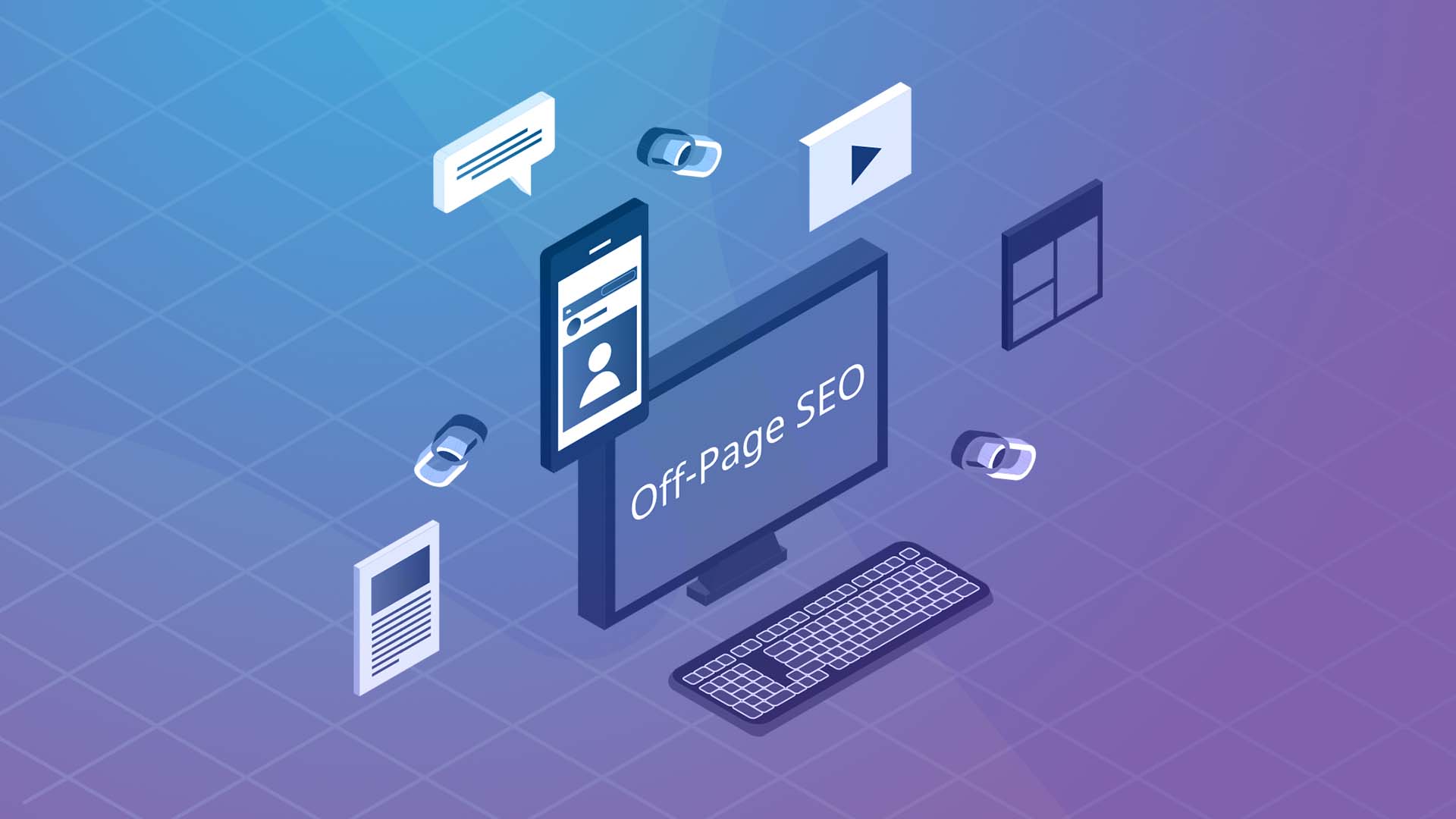
Off-page SEO refers to all optimization tactics that happen outside of your own website, signaling to search engines that your content is authoritative, trustworthy, and valuable. It primarily involves earning high-quality backlinks from other reputable sites, but also includes brand mentions and social media marketing.
SEO: On-Page, Off-Page, and Technical
Search Engine Optimization (SEO) is a collection of practices that help search engines discover, understand, and rank your website. Effective SEO helps you rank higher for relevant search queries, driving organic traffic. SEO is typically broken down into three main categories:
- On-Page SEO: Focuses on optimizing elements on your website, such as content quality, keywords, internal linking, and site structure.
- Off-Page SEO: Involves activities performed outside your website to enhance its authority and popularity, primarily by building high-quality backlinks.
- Technical SEO: Refers to optimizations that directly impact how search engines crawl and index your site, including site speed, structured data, and mobile-friendliness.
The Core of Off-Page SEO: Authority and Trust
Off-page SEO works by building your website's perceived authority, trustworthiness, and popularity. In the SEO world, this is often measured by a third-party metric called “Domain Authority,” a term coined by Moz. While Google doesn't use this specific score, its algorithms assess similar signals to determine a site's credibility.
The most crucial signals are backlinks (also called inbound or external links). When another authoritative website links to yours, it acts as a vote of confidence, telling search engines that your content is valuable. According to a study by Backlinko, backlinks remain one of Google's top ranking factors. However, link building is just one of many off-page SEO tactics.
Why Off-Page SEO Is Crucial
A website without traffic provides no return on investment. While on-page and technical SEO create a solid foundation, off-page SEO is what propels your site's visibility in search results. It tells search engines that your website is not only well-structured but also highly relevant and respected by others in your industry. Ignoring off-page SEO is like opening a retail store but not telling anyone where it is or why they should visit.
5 Actionable Off-Page SEO Strategies
1. Conduct a Backlink Audit
Start by analyzing your existing backlink profile using tools like Semrush's Backlink Analytics, Moz's Link Explorer, or Ahrefs. You need to understand who is currently linking to you. The goal is to identify both valuable links and 'toxic' or spammy links that could be harming your rankings.
2. Remove and Disavow Spammy Backlinks
Low-quality backlinks can significantly harm your rankings. You should work to remove links from:
- Link directories and 'link farms'
- Penalized or low-quality domains
- Websites with irrelevant content
- Domains associated with spam (e.g., online gambling)
Once you've identified these harmful links, you can submit a disavow file to Google to ask it not to take them into account when assessing your site.
3. Pursue Ethical Link-Building Strategies
Never buy backlinks or use automated link-building software. These 'black-hat' tactics can lead to severe penalties. Instead, focus on ethical, value-driven strategies:
- The Skyscraper Technique: Find popular content, create something even better, and reach out to those linking to the original piece.
- High-Quality Content Creation: Develop unique, niched content that others will want to reference and share.
- Shareable Infographics: Create visually appealing infographics that are easy to share and embed.
- Guest Posting: Write articles for reputable sites in your industry to gain exposure and earn a valuable backlink.
4. Harness Social Media Marketing (SMM)
While social media shares are not a direct ranking factor, a strong social media presence drives traffic, increases brand visibility, and builds credibility. Platforms like LinkedIn, Twitter, and Facebook are excellent for outreach, content promotion, and connecting with your audience. Increased engagement on social media leads to more eyes on your content and a greater chance of it being linked to naturally.
5. Expand Your Digital Footprint
Think beyond just backlinks. Any activity that builds your brand's authority contributes to off-page SEO. Explore other industry-relevant tactics such as content marketing, PR, participating in industry forums, speaking at events, appearing on podcasts, and content syndication.
Need a migration partner?
Strengthen Your Online Authority
Building a strong online presence takes time and technical knowledge. For reliable results, consider partnering with a digital marketing agency that can deliver a comprehensive SEO strategy.
Contact UsFrequently asked questions
What is off-page SEO?
Off-page SEO includes all activities performed away from your website to improve its position in search engine rankings. It primarily involves building high-quality backlinks, but also includes brand building, social media marketing, and local SEO.
What is the difference between on-page and off-page SEO?
On-page SEO deals with optimizing elements on your website, like content and HTML source code. In contrast, off-page SEO focuses on external signals like backlinks and brand mentions to build your site's authority and trustworthiness.
Why are backlinks important for off-page SEO?
Backlinks from other websites to yours are like votes of confidence. When authoritative and relevant sites link to you, they signal to search engines that your content is credible and valuable, which can significantly boost your rankings.
What is 'domain authority'?
Domain Authority (DA) is a search engine ranking score developed by Moz that predicts how likely a website is to rank on search engine result pages (SERPs). While not a metric used by Google, it provides a useful estimate of a site's authority based on its backlink profile.
Can social media improve my off-page SEO?
While social media activity isn't a direct ranking factor, it strongly supports off-page SEO. It boosts brand visibility, drives traffic to your content, and increases the likelihood that others will discover and link to your website, indirectly improving your authority.
How do I get rid of bad backlinks?
First, identify spammy or 'toxic' backlinks using an SEO tool like Semrush or Ahrefs. You can then ask the linking site's owner to remove the link. If that fails, compile the bad links into a list and submit it to Google's Disavow Tool.