
Quick summary
Building a successful e-commerce app in 2024 requires a clear strategy, a focus on user experience, and leveraging key technologies. This guide covers the essential steps from defining objectives and choosing platforms to integrating AI, AR, and secure payments to drive growth and customer satisfaction.
The landscape of online marketplaces is continuously shifting, with new technologies and user expectations shaping e-commerce app development. Today, we explore the key steps to creating an effective e-commerce mobile or web app for your business and the emerging trends and technologies to watch for in 2024.
The Rapid Growth of E-Commerce Apps
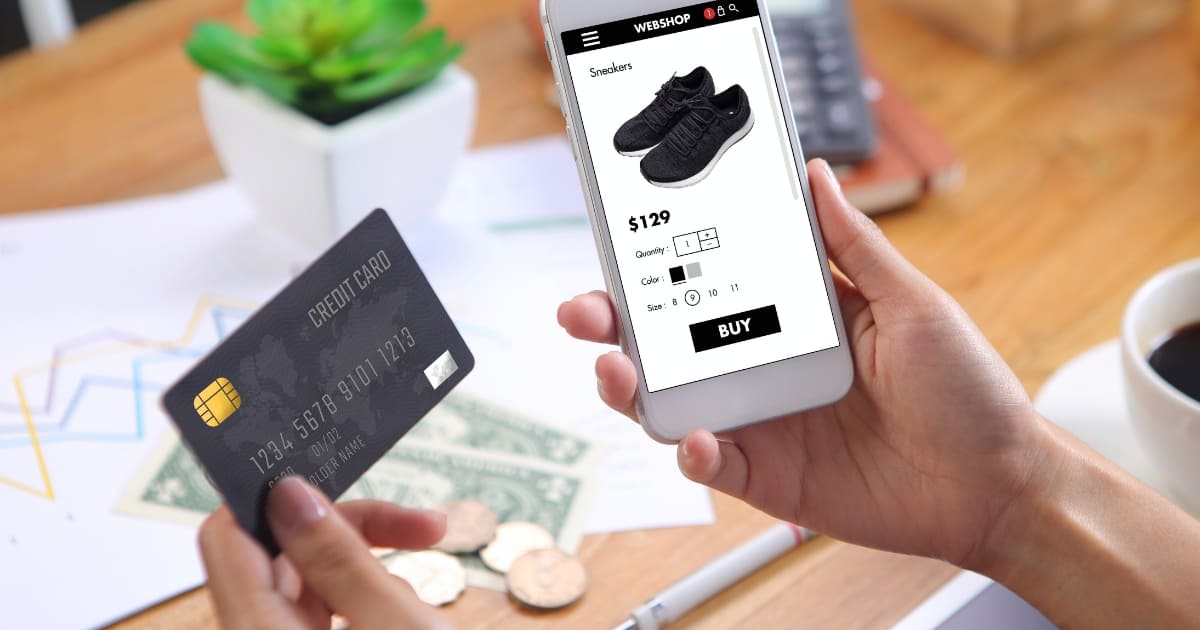
Since the pandemic, online shopping has rapidly expanded, with mobile and web apps becoming essential to the customer journey. According to Business of Apps, e-commerce app revenue reached $3.88 trillion in 2023, an 8.1% increase from the previous year. In the US alone, mobile commerce accounted for 7.6% of all retail sales. This upward trend shows no signs of slowing, making mobile commerce investment crucial for staying competitive.
10 Key Steps to E-commerce App Development
1. Define Your Objectives and Target Audience
Start by clearly defining your app's objectives. Are you aiming to increase sales, enhance customer engagement, or expand into new markets? Thorough market research is critical to understand your potential users’ preferences, behaviors, and pain points, which will shape your app's features and design.
2. Choose the Right Platform
The right platform depends on your budget, business requirements, and technical expertise. You can develop separate native apps for iOS and Android for optimal performance or use a cross-platform framework to reduce costs and development time.
3. Design an Intuitive User Interface (UI/UX)
User experience is paramount. A seamless, intuitive, and visually pleasing journey ensures users can easily navigate, find products, and complete purchases. Incorporate high-quality images, engaging graphics, and a consistent color scheme that reflects your brand identity across both mobile and web platforms.
4. Develop Essential Features
- Product Catalog: A comprehensive catalog with robust filtering, sorting, and detailed product descriptions.
- Shopping Cart and Checkout: A streamlined, simple, and secure checkout process supporting various payment methods to reduce cart abandonment.
- User Accounts & Personalization: Personalized shopping experiences through user accounts that include order tracking, wishlists, and tailored product recommendations.
- Push Notifications: A tool to inform users about promotions, order updates, and other relevant information.
5. Integrate Secure Payment Gateways
Offer diverse payment options, including credit/debit cards, digital wallets (like Apple Pay and Google Pay), cryptocurrencies, and Buy-Now-Pay-Later (BNPL) services. Implement robust security measures like encryption and PCI-DSS compliance to protect user data.
6. Focus on Performance and Scalability
Ensure your app loads quickly and performs efficiently by optimizing images, using caching, and streamlining code. Build your app with scalability in mind to handle increasing traffic and transactions as your business grows.
7. Conduct Thorough Testing
Before launch, conduct functional, usability, performance, and security testing. Beta testing with a select group of users will help you gather real-world feedback and make crucial improvements.
8. Launch and Market Your App
Plan a strategic launch to create buzz and attract users. Optimize your app store listing (ASO) with relevant keywords, compelling descriptions, and high-quality screenshots to increase visibility and downloads.
9. Monitor and Analyze Performance
- Define KPIs: Set measurable goals like user retention, conversion rates, and average order value.
- Use Analytics Tools: Track user behavior and app metrics with tools like GA4 or Mixpanel.
- Collect User Feedback: Use surveys and in-app reviews for continuous improvement.
- Run Usability Tests: Identify and fix pain points in navigation and checkout.
- Implement A/B Testing: Optimize features like product pages and checkout flows.
10. Provide Ongoing Support and Maintenance
Offer reliable customer support via in-app chat, email, or a comprehensive FAQ section. Regularly update your app to address bugs, improve features, and adapt to technological advancements.
Top E-commerce App Development Trends in 2024
- AI and Machine Learning: Integrate AI for personalized recommendations, predictive analytics, and AI-powered chatbots. For example, Amazon's recommendation engine uses ML to suggest products based on user behavior.
- Augmented Reality (AR): Allow customers to visualize products in their own space. IKEA’s app, which lets users virtually place furniture in their homes, is a prime example.
- Social Commerce: Integrate with social media for in-app shopping, influencer marketing, and live shopping events, like Instagram's feature to buy products directly from posts.
- Omnichannel Retailing: Ensure a seamless and consistent shopping experience across mobile apps, websites, physical stores, and social media.
- Progressive Web Apps (PWAs): Offer an app-like experience on the web with offline functionality and push notifications, providing a cost-effective alternative to native apps. AliExpress's PWA is a notable success.
- Voice Commerce: Enable voice search and shopping with assistants like Amazon Alexa and Google Assistant for a more convenient, hands-free experience.
- Sustainability Features: Appeal to eco-conscious consumers with features like carbon footprint calculators and eco-friendly product filters.
Need a migration partner?
Build Your E-Commerce App with Mejix
A robust, responsive, and intuitive e-commerce app can elevate your business. At Mejix, we offer custom app development, web design, and digital marketing solutions tailored to your unique needs, leveraging over 20 years of experience to bring your vision to life.
Contact Us About Your ProjectFrequently asked questions
What are the first steps in e-commerce app development?
The first steps are to clearly define your business objectives, conduct thorough market research to understand your target audience, and decide on the right platform for development (native, cross-platform, or PWA).
What are the essential features of a successful e-commerce app?
Every successful e-commerce app must have a comprehensive product catalog with filtering, a streamlined shopping cart and secure checkout, user accounts for personalization (including order tracking and wishlists), and push notifications for engagement.
What are the top e-commerce app trends for 2024?
The top trends for 2024 include integrating AI and machine learning for personalization, using Augmented Reality (AR) for product visualization, enabling social and voice commerce, adopting an omnichannel strategy, and building Progressive Web Apps (PWAs).
How can I make my e-commerce app secure?
To ensure security, you must integrate secure payment gateways, use end-to-end encryption, and comply with industry standards such as PCI-DSS (Payment Card Industry Data Security Standard) to protect sensitive user data and payment information.
What is omnichannel retailing?
Omnichannel retailing is an approach that provides a seamless and unified shopping experience across all customer touchpoints, including mobile apps, websites, physical stores, and social media. This consistency helps build brand trust and loyalty.
Why is performance optimization important for an e-commerce app?
Performance optimization is critical because slow loading times and poor responsiveness lead to user frustration and high abandonment rates. A fast and efficient app enhances the user experience, improves conversion rates, and ensures the app can scale with business growth.