Quick summary
Scrum is a popular framework under the Agile methodology, used to manage complex software development. It focuses on iterative progress through fixed-length cycles called sprints, enabling teams to adapt to change and deliver value faster. Understanding its core roles, events, and artifacts is key to building better software.
The terms Scrum and Agile are often used interchangeably, creating confusion. While Scrum is a lightweight framework for iterative development, Agile is the broader headline-worthy methodology. Despite the buzz, Scrum Agile is a well-established and effective process widely used in software development and beyond in fields like marketing, HR, and design.
What is Agile?
First things first: Scrum is a subdivision of the Agile methodology. Agile is an umbrella term for various methods and practices used by software development teams. Scrum is the most popular, but others include Kanban, Feature-driven Development (FDD), and Extreme Programming (XP).
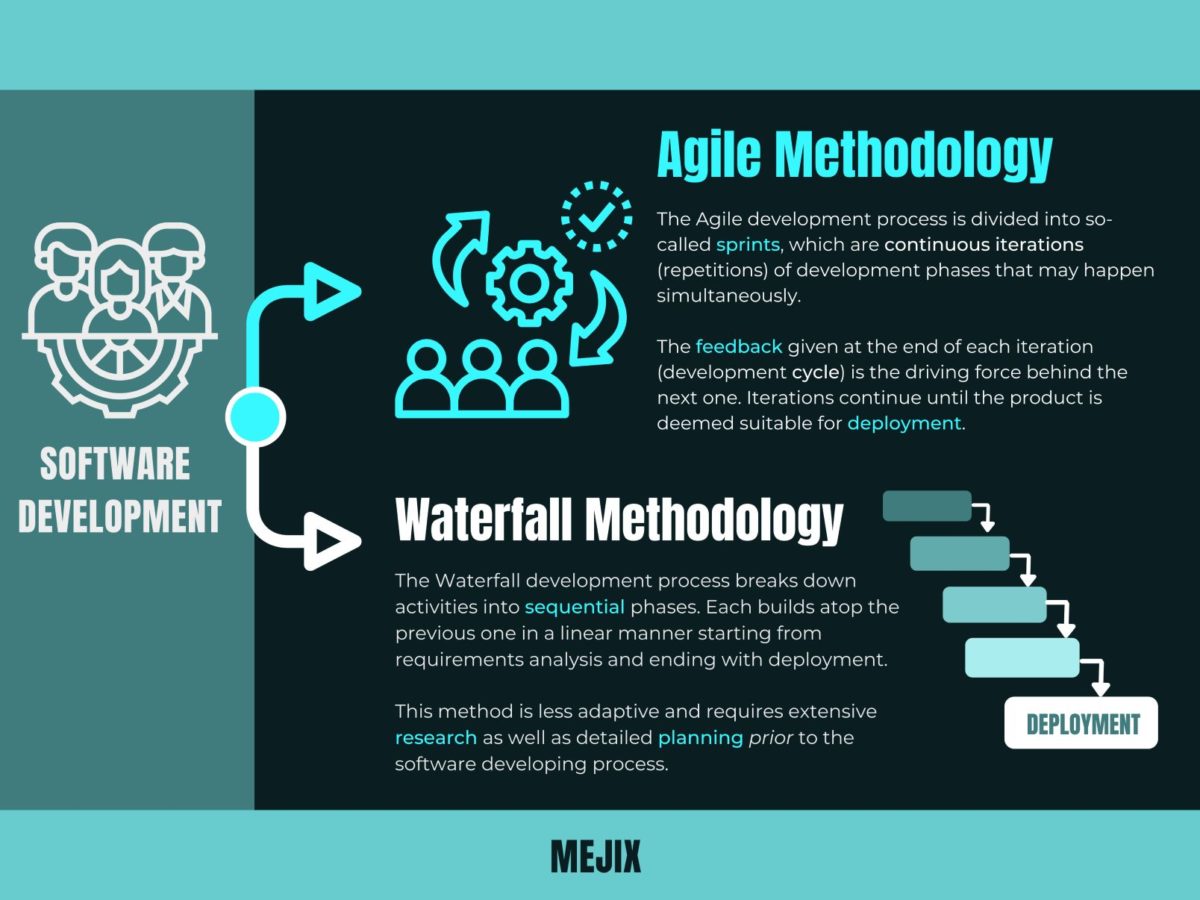
All Agile methodologies focus on dividing product development into smaller builds. Instead of aiming for a final, polished version from the start, you first release the simplest workable version of the application or its features. The process is divided into sprints—continuous iterations of concurrent development phases—with feedback from each cycle driving the next until the product is ready for deployment.
Waterfall vs. Agile Methodologies
The Agile approach values adaptability, cooperation, and continuous feedback, setting it apart from traditional Waterfall development. The Waterfall model is linear and requires extensive planning before development begins. Phases like requirement analysis, design, development, testing, and deployment follow in a rigid sequence, making it difficult to incorporate changes mid-project.
What Makes the Scrum Framework So Effective?
As a type of Agile, Scrum is an iterative method, but its pace and flexibility make it the most widely used. It excels in complex projects where requirements are expected to change frequently.
In Scrum, a product is built in a series of iterations called Sprints. This approach of breaking work into small, manageable bits helps teams stay focused, structure their tasks, and see their efforts pay off early. During a sprint, which typically lasts two weeks to a month, cross-functional teams work in parallel to deliver a specific function, feature, or early product version.
The Scrum Process Explained
Planning & Backlogs
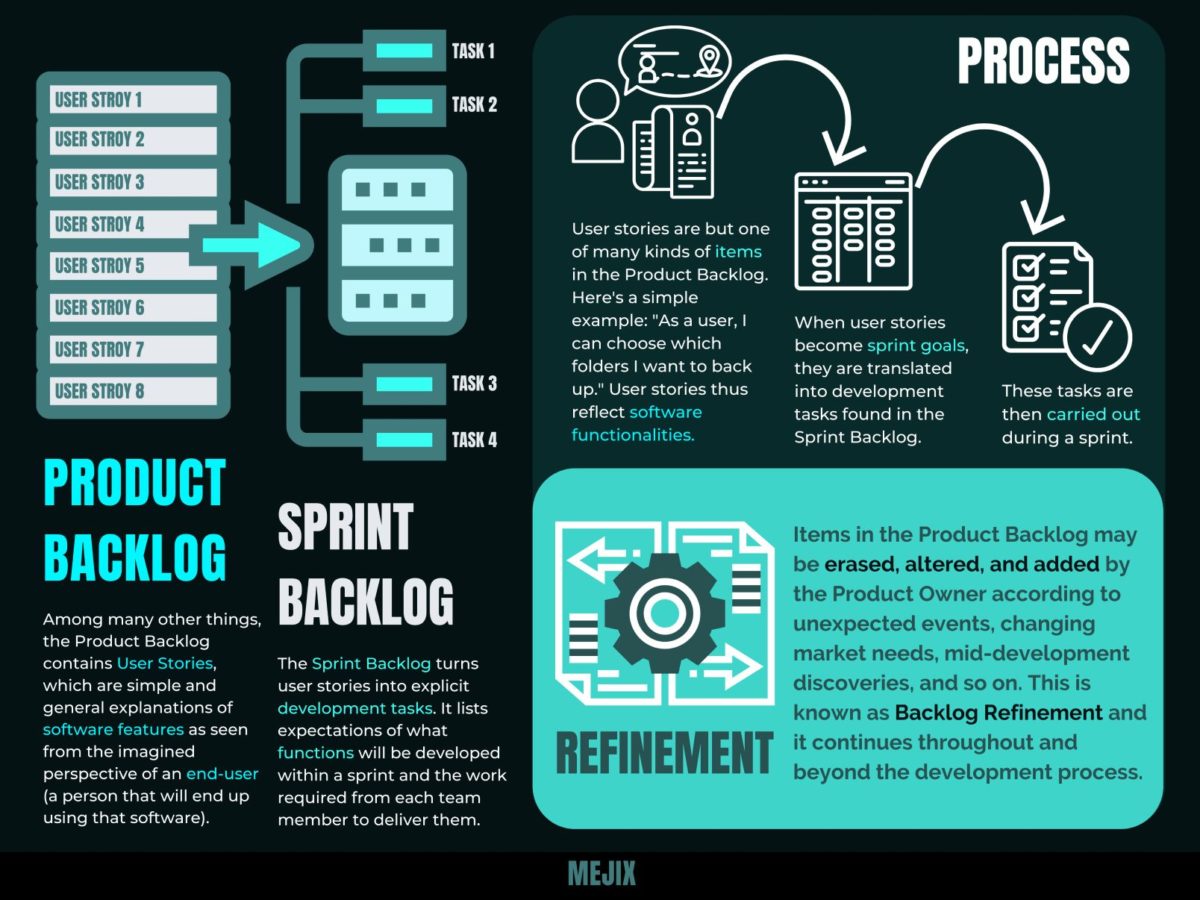
Before a sprint begins, goals are set in a planning meeting by pulling items from the Product Backlog. The Product Backlog is a dynamic, 'live' list of requirements managed by the Product Owner. It evolves based on market changes, client demands, and team discoveries.
From the Product Backlog, the team selects items for the Sprint Backlog. This second backlog contains the explicit, pre-planned tasks the development team will complete to achieve the Sprint's goal.
Sprints & Increments
At the end of a sprint, the team delivers one or more Increments—a usable piece of the end product, like a working software feature. Each Increment is additive to all prior ones.
“An Increment is a concrete stepping stone toward the Product Goal. Each Increment is additive to all prior Increments and thoroughly verified, ensuring that all Increments work together. In order to provide value, the Increment must be usable.”
Simply put, each sprint yields increments that cohesively add up until the final product goal is achieved. The frequent feedback on each increment is what allows Scrum teams to accommodate change so quickly. For example, when the Product Owner releases an increment to the customer, their response provides immediate insights that can reshape the product vision and future sprints.
A Quick Guide to Scrum Terminology
Scrum has 11 core concepts and practices grouped into Roles, Artifacts, and Events.
The 3 Scrum Roles
- Product Owner: Provides the product vision, manages the Product Backlog, and represents the stakeholders' interests.
- Scrum Master: A servant-leader who ensures the team follows Scrum processes and facilitates collaboration.
- Development Team: The cross-functional group of professionals who get the work done during a sprint.
The 3 Scrum Artifacts
- Product Backlog: A prioritized list of everything needed to develop and improve the product.
- Sprint Backlog: The list of tasks from the Product Backlog that the Development Team commits to delivering during a sprint.
- Increment: The usable end-product that has been produced at the end of a sprint.
The 5 Scrum Events
- The Sprint: The timeboxed period (not more than a month) where the team works to deliver the sprint goals.
- Sprint Planning: The meeting where the team decides what work will be done in the upcoming sprint.
- Daily Scrum: A short daily meeting for the development team to synchronize work and adapt to changes.
- Sprint Review: A meeting where the team and stakeholders review the increment and discuss progress.
- Sprint Retrospective: A session where the team reflects on the past sprint to identify process improvements.
Choosing the Right Methodology
No single methodology is perfect for every project. Before starting, it's crucial to evaluate different approaches against your project's specific needs and constraints to find the best fit. Choosing an unsuitable methodology can hinder progress and compromise the quality of your final product.
Frequently asked questions
What's the difference between Agile and Scrum?
Scrum is a framework within the broader Agile methodology. While Agile is an umbrella term for iterative development practices, Scrum is a specific implementation with its own defined roles, events, and artifacts.
How does Agile development differ from the Waterfall model?
Agile is an iterative approach focused on adaptability and continuous feedback, breaking projects into small builds. Waterfall is a linear, sequential model where each phase must be completed before the next begins, making it more rigid and less adaptable to change.
What happens during a Scrum sprint?
A sprint is a fixed-length event, typically 2-4 weeks, where a cross-functional team works to create a 'Done,' usable product Increment. The work to be performed is selected from the Product Backlog during a Sprint Planning meeting.
What are the three main roles in a Scrum team?
The three Scrum roles are the Product Owner (defines the product vision and manages the backlog), the Scrum Master (ensures the team follows Scrum processes), and the Development Team (builds the product increment).
What are the key 'artifacts' in Scrum?
The three Scrum artifacts are the Product Backlog (a prioritized list of everything needed for the product), the Sprint Backlog (the set of Product Backlog items selected for a Sprint), and the Increment (the usable end-product from a Sprint).
What is the purpose of the Daily Scrum meeting?
The Daily Scrum is a short meeting for the Development Team to synchronize activities and create a plan for the next 24 hours. It helps inspect progress toward the Sprint Goal and adapt the upcoming work accordingly.