Quick summary
Great web design makes it easier for visitors to understand your offer and choose their next step. Use color, typography, white space, familiar layouts, and fewer competing choices to create a clearer experience—then test what works for your audience.
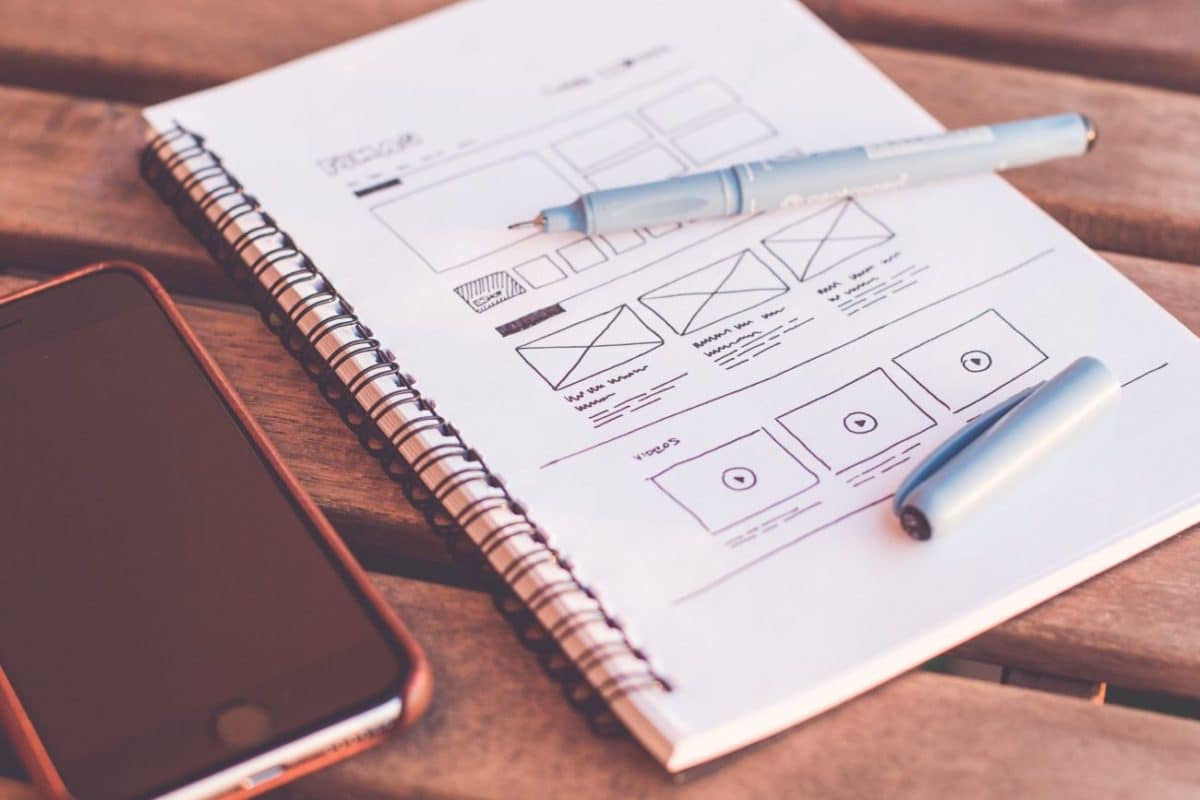
The psychology of web design is about making a website easier to understand, navigate, and act on. Use visual hierarchy to highlight what matters, white space and readable typography to reduce clutter, and familiar navigation to make the next step clear. For business buyers evaluating a website in 2026, the practical goal is straightforward: help visitors understand the offer and move forward without unnecessary friction.
Why psychology matters in web design
Design shapes first impressions before visitors read your full message. The research cited in the original article found that people could form an opinion about a website in 50 milliseconds. The article also cited a report that 57% of mobile users would not recommend a business with a poorly designed mobile site. Treat these as findings from the linked sources, not current benchmarks or forecasts for your business.
The useful takeaway is not that a particular color or layout guarantees conversions. It is that presentation deserves the same attention as the message. Consistent fonts, colors, and layouts help establish a recognizable brand, while clear choices make the experience easier to follow.
Key psychological elements in website design
Color: create emphasis, not a conversion formula
Color can communicate a brand's personality and draw attention to important actions. Associations such as blue with trust, green with nature or wealth, and black with luxury can inform a design direction. Treat them as starting points, not promises about how every visitor will respond.
Use a consistent palette and make important actions easy to notice. Red or yellow may be worth testing for a CTA, but do not choose a button color solely because it is described as persuasive. Review it alongside the surrounding content, layout, and brand.
Typography: balance personality with readability
Typefaces carry associations. An Old English style, such as The New York Times' masthead, can suggest authority, while a sans-serif style can feel modern. Weight and size also shape emphasis: thin lettering may suggest sophistication, while bold text can communicate urgency.
Choose typography that fits your brand without making visitors work to read it. For a business website, review headings, body copy, and action labels together. Keep their treatment consistent so the page's priorities are clear.
White space: give important content room
White space is the empty space around and between design elements. It helps reduce cognitive load, improve readability, and focus attention. Use it to separate messages and emphasize a product, key explanation, or primary action.
Aim for balance. A crowded page can feel chaotic, but a sparse page can feel insubstantial. Do not remove useful information just to make a layout look cleaner.
Visual hierarchy: make the reading path clear
Visual hierarchy guides attention toward the most important elements. The Z-pattern offers a layout model: top-left to top-right, diagonally down to bottom-left, then across to bottom-right. Consider it when arranging a key message and CTA, rather than assuming every visitor will follow that exact route.
Start with the information visitors need most. Give the main message clear emphasis, use supporting content to explain it, and make the next action easy to find. Test the layout instead of treating a reading pattern as a fixed rule.
Psychology-based principles you can apply
Hick's Law: reduce competing choices
Hick's Law describes how decision time increases as the number of available choices grows. In web design, use it as a reason to review competing CTAs, navigation options, and visual emphasis. Make the intended next step clear without removing options visitors genuinely need.
The mere-exposure effect: favor useful familiarity
The mere-exposure effect describes a preference for familiar things. Apply that principle by keeping navigation, user profiles, and next-step controls in recognizable locations. A distinctive brand does not require visitors to relearn how to use a website.
A/B testing: validate the design
Psychological principles give you ideas to test, not guaranteed outcomes. Compare variations in layout, colors, or CTAs to learn what resonates with your audience. Before changing a page, identify the action you want to improve and the design decision you want to evaluate.
Design choices compared: useful applications and limitations
Advantages
- •Color: a consistent palette can reinforce brand identity and emphasize important actions.
- •Typography: readable, consistent type can communicate personality and establish emphasis.
- •White space: deliberate spacing can reduce clutter and focus attention.
- •Fewer competing choices: a clearer set of actions can simplify decisions.
- •Familiar layouts: recognizable controls can make navigation more intuitive.
- •A/B testing: comparing variations helps validate design decisions with your audience.
Disadvantages
- •Color: an emotional association is not a guarantee of trust or conversion.
- •Typography: a distinctive style is not enough if visitors struggle to read it.
- •White space: excessive simplification can leave a page feeling insubstantial.
- •Fewer competing choices: removing useful options can work against visitors' needs.
- •Familiar layouts: a Z-pattern should not be treated as a universal reading path.
- •A/B testing: a principle alone cannot tell you which variation will perform better.
A practical website review for 2026
Before approving a redesign, review the existing experience. Start with clarity rather than assuming the business needs a new platform or custom software.
- Can visitors identify the main offer without searching through competing messages?
- Is the primary action easy to find, with secondary actions clearly distinguished?
- Are typography and spacing helping visitors read the content?
- Do colors create useful emphasis without making every element compete?
- Are navigation and next-step controls where visitors would expect them?
- Have you reviewed the mobile experience as well as the desktop layout?
- Which layout, color, or CTA decision should you test rather than debate?
Custom software is not always needed. If the problem is unclear messaging, clutter, or inconsistent styling, start there. If the review points to a broader delivery need, talk with Mejix about Shopify Plus development, custom software development, or tech consulting.
Frequently asked questions
Why is psychology important in web design?
It helps explain how visitors perceive a page, focus their attention, and make decisions. Applying those ideas can make a website more intuitive and credible. The goal is to support users, not assume design changes will automatically increase conversions.
How does color psychology affect a website?
Color can suggest brand qualities and draw attention to actions. Blue may suggest trust and black may suggest luxury, but those associations are not a substitute for testing. Choose colors as part of the complete page design.
What is Hick's Law in web design?
Hick's Law describes the relationship between more choices and longer decision time. Apply it by reducing competing actions and simplifying navigation while preserving the options visitors need.
How does typography influence users' perceptions?
Typeface, size, and weight help communicate a brand's personality and indicate which content matters most. Choose a style that fits the brand, then check that headings, body copy, and action labels remain readable and consistent.
What is the Z-pattern in web design?
The Z-pattern is a way to organize a page around a path from top-left to top-right, diagonally down to bottom-left, and across to bottom-right. Use it as a layout hypothesis for important messages and CTAs, not as a rule every visitor follows.
How can white space improve a website?
White space separates elements, reduces visual clutter, and helps direct attention. Use it to make content easier to read without stripping away the information visitors need to make a decision.
Need a migration partner?
Make your next website decision practical
Discuss your website goals and delivery needs with Mejix. Whether you need Shopify Plus development, custom software, or tech consulting, start with the problem—not a predetermined rebuild.
Talk to Mejix