Quick summary
eCommerce automation uses software to manage repetitive tasks, enhancing efficiency and customer experience. The right strategy depends on your business stage—from basic email workflows for start-ups to AI-driven personalization and supply chain integration for large enterprises, allowing businesses to scale effectively.
Understanding eCommerce Automation

In today’s competitive digital marketplace, eCommerce automation is necessary for online businesses looking to scale efficiently. Rather than handling repetitive tasks manually, automation allows critical processes to run automatically. This refers to using software to streamline and optimize tasks like order processing, customer service, marketing, and inventory management.
From basic workflows to advanced, AI-driven customer engagement, automation in eCommerce frees up time and resources, reduces human error, and improves both efficiency and the customer experience.
Automation Strategies for Each Stage of Growth
Each type of business can benefit from a different approach to automation. Let’s explore key automation strategies for each growth stage, from start-ups to enterprises.
1. Start-up Stage: Establishing Basic Automation
Start-ups benefit from affordable, high-impact automation tools that handle repetitive tasks. Simple but effective tools, such as order confirmation emails and basic inventory updates, set the foundation for a seamless online store.
- Order and Inventory Management: Use eCommerce automation software for real-time inventory updates and automated restocking notifications to reduce overselling and stockouts.
- Basic Email Automation: Set up automated order confirmations and shipping notifications to streamline communication.
- Simple Marketing Automation: Leverage automation for email marketing campaigns to capture leads and build brand awareness. Many platforms offer templates for start-up budgets.
Recommended Tools: Look for free or low-cost options that integrate with major eCommerce platforms, such as Shopify’s built-in automation features.
2. Growth Stage: Streamlining and Scaling Processes

As sales increase, automation becomes essential for handling higher order volumes and improving customer engagement. Growing businesses benefit from platforms that offer solutions for more complex workflows.
- Customer Segmentation and Targeting: Use CRM tools to categorize customers based on purchasing behavior, allowing for targeted and personalized marketing campaigns.
- Enhanced Order Processing: Automate order verification, packaging, and shipping updates to reduce errors and increase order fulfillment speed.
- Automated Customer Support: Implement chatbots and automated FAQs to handle common inquiries, freeing up your support team for more complex issues.
Recommended Tools: Consider platforms like Odoo for personalized email marketing and inventory management solutions that scale with your needs.
3. Mature Stage: Data-Driven Optimization
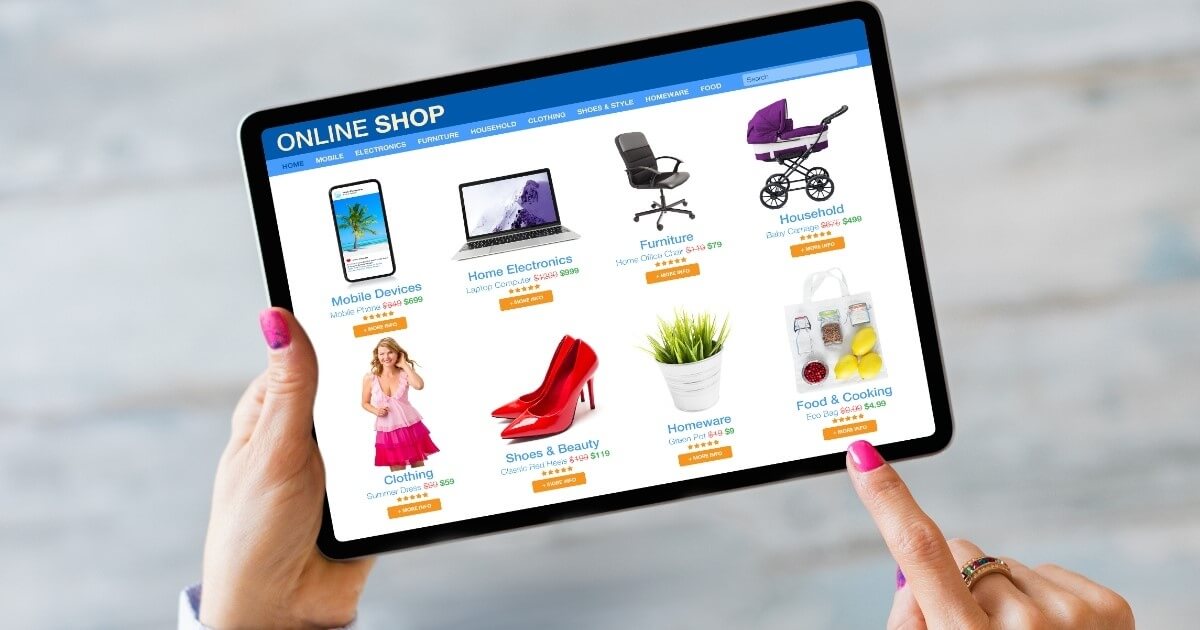
Established businesses should prioritize data-driven automation to deliver highly personalized customer experiences and optimize back-end operations. Tools should integrate data analytics and predictive insights for inventory forecasting and understanding customer behavior.
- Predictive Inventory Management: Use automation software to forecast demand, reduce holding costs, and ensure popular items are always available.
- Advanced Marketing Personalization: Implement AI-driven automation to make personalized recommendations based on browsing history, past purchases, and behavior analytics.
- Dynamic Pricing and Promotions: Automated price adjustments based on demand and competitor analysis can keep you competitive and allow for real-time promotions.
Recommended Tools: Advanced platforms like Adobe Commerce or Salesforce provide custom integrations and extensive analytics for data-rich, automated insights.
4. Enterprise Stage: Full Integration and Optimization
At the enterprise level, a complete automation solution is essential to seamlessly integrate complex systems. Tools should cover the entire customer journey, from first visit to post-purchase engagement. AI-driven platforms enable omnichannel marketing, real-time inventory synchronization, and dynamic personalization.
- Omnichannel Marketing Automation: Use a platform that synchronizes across email, social media, and on-site messaging for a cohesive customer experience.
- AI-Enhanced Customer Journey Mapping: Track customer interactions to allow for personalized follow-ups, loyalty rewards, and re-engagement emails.
- End-to-End Supply Chain Automation: Fully automate your supply chain from order management to shipping logistics to increase speed and provide real-time tracking for customers.
Recommended Tools: Enterprise-level tools such as Salesforce or IBM’s Sterling Order Management offer powerful AI integrations and comprehensive solutions for large-scale eCommerce.
Key Metrics to Track Automation Success
Once you implement a strategy, key performance indicators (KPIs) help gauge its effectiveness. Common metrics to monitor include:
- Order Processing Time: Measure how quickly orders move through each stage.
- Inventory Accuracy: Track discrepancies to reduce stockouts and optimize restocking.
- Customer Retention Rate: Monitor how automation impacts customer loyalty.
- Marketing ROI: Measure the return on investment for automated marketing campaigns.
Find the Best eCommerce Automation Strategy with Mejix
Implementing the right eCommerce automation strategies can transform your business. But automation isn’t one-size-fits-all, and identifying the right tools and processes is key to unlocking growth potential.
At Mejix, we help you find the best automation and eCommerce solutions that align with your unique business needs. Whether you’re looking to streamline order processing, optimize inventory, or elevate customer engagement, our team is here to guide you.
Frequently asked questions
What is eCommerce automation?
eCommerce automation is the use of software and technology to run repetitive business processes automatically. This includes tasks like order processing, customer service, marketing, and inventory management, which helps improve efficiency, reduce human error, and enhance the customer experience.
What automation should a start-up focus on?
Start-ups should focus on high-impact, affordable automation tools for basic tasks. Key areas include automated order confirmation and shipping notification emails, real-time inventory updates to prevent stockouts, and simple email marketing campaigns to capture leads.
How can a growing business use automation to scale?
As a business grows, it should use automation for more complex workflows. This includes segmenting customers for targeted marketing campaigns, enhancing order processing to handle higher volumes, and implementing chatbots or automated FAQs to manage common customer inquiries efficiently.
What are advanced automation strategies for mature businesses?
Mature businesses should leverage data-driven automation. This involves using predictive analytics for inventory management, implementing AI-powered marketing for advanced personalization, and using dynamic pricing tools to react to market demand and competitor pricing in real-time.
What does enterprise-level eCommerce automation look like?
Enterprise automation involves fully integrated systems that manage the entire customer lifecycle. Key strategies include omnichannel marketing automation, AI-enhanced customer journey mapping for deep personalization, and end-to-end supply chain automation for complete operational transparency and efficiency.
How can you measure the success of eCommerce automation?
You can measure the success of eCommerce automation by tracking key performance indicators (KPIs). The most important metrics include order processing time, inventory accuracy, customer retention rate, and the return on investment (ROI) from your automated marketing campaigns.