Quick summary
A pragmatic guide to deploying AI across the ecommerce stack in 2026 — search, merchandising, support, personalization, and operations — with the trade-offs nobody talks about.
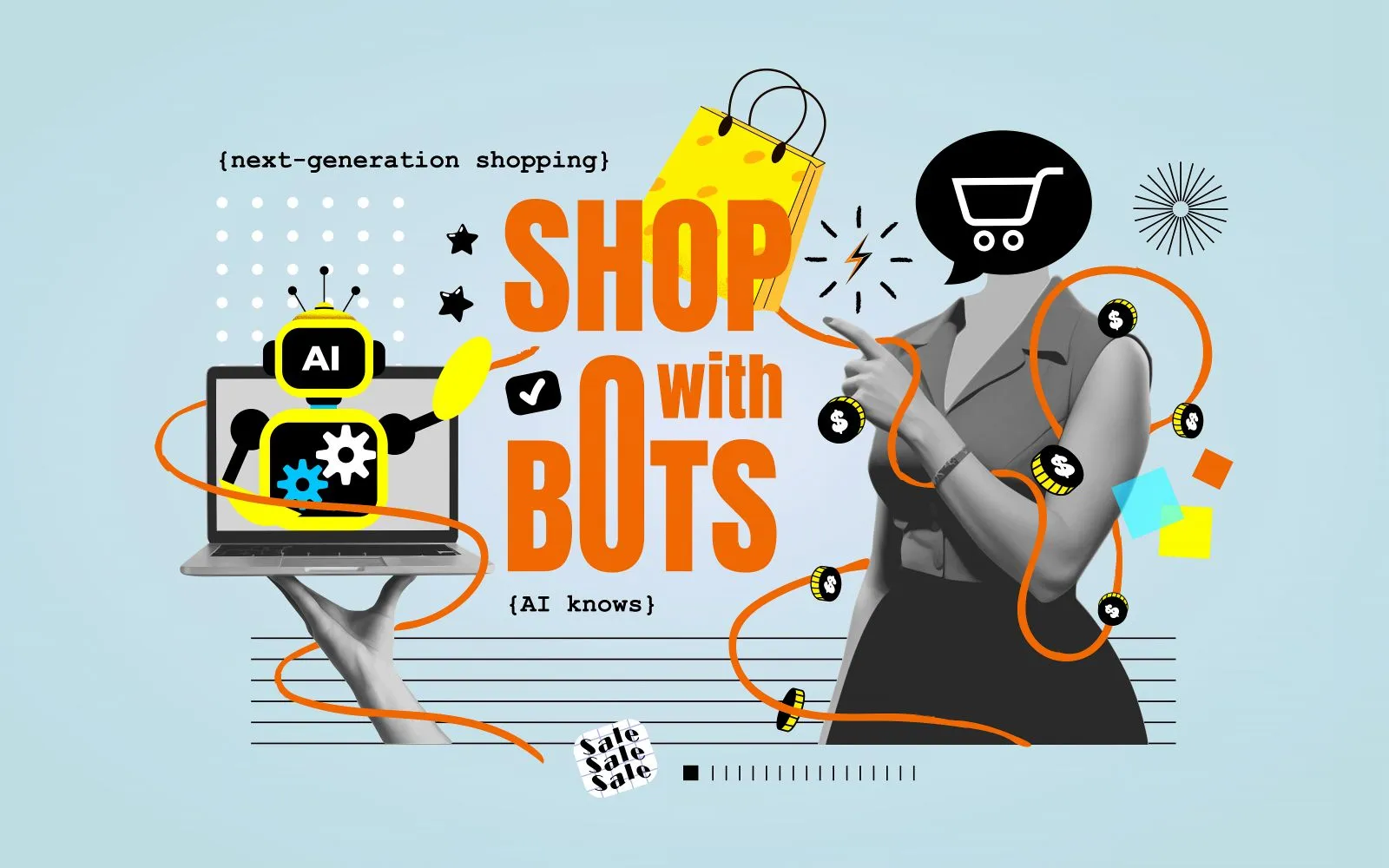
AI in ecommerce stopped being a slide deck in 2024 and became operational in 2026. The merchants pulling ahead are not the ones with the flashiest GPT demo on their PDP — they are the ones who quietly wired AI into search, merchandising, support, and back-office operations. This guide is what we tell our Shopify Plus clients when they ask: where do we actually start?
The five places AI pays back fastest
- Onsite search and discovery — semantic + vector search beats keyword search by 15–40% on conversion.
- Merchandising automation — auto-grouping, auto-tagging, dynamic collections from product data.
- Customer support — tier-1 deflection of 40–70% with grounded LLM agents.
- Personalization at the edge — server-rendered, cookie-aware product recommendations.
- Operations — copy generation, image cleanup, returns triage, anomaly detection.
Onsite search: the highest-ROI single project
Most Shopify search is still keyword-based. Replace it with a semantic search layer (Algolia AI, Searchspring, Klevu, or a custom embedding pipeline against pgvector) and you typically lift search-led conversion by 15–40%. The reason is simple: shoppers do not type the words you put in your product titles.
Customer support deflection that does not embarrass you
The mistake teams make is plugging a bare LLM into a chat widget. Tier-1 deflection works only when the agent is grounded in your real data — order status, return policy, shipping rules, product specs — and has hard guardrails. With grounded retrieval, 40–70% deflection is realistic without the brand-damaging hallucinations.
Personalization without the cookie-banner mess
Edge-rendered personalization on Shopify Plus (via Hydrogen + Oxygen, or Liquid + Functions) lets you serve different hero images, recommended products, and copy to different segments without breaking SEO or relying on third-party cookies. This is where Shopify Plus B2B and DTC start to feel like one unified motion.
Operations: the unglamorous wins
- Auto-generate PDP copy from spec sheets — saves 4–8 hours per 100 SKUs.
- Image cleanup, background removal, alt-text generation at upload time.
- Returns triage: classify reason, suggest resolution, route to human only when needed.
- Anomaly detection on orders, inventory, and conversion to flag issues before your morning standup.
Pitfalls to avoid
- Do not put a raw LLM on a customer-facing surface without retrieval grounding and guardrails.
- Do not ship AI features without analytics — you cannot prove ROI you did not measure.
- Do not over-rotate to one vendor. Most production stacks blend 2–3 model providers.
- Budget for evaluation. Quality drift on prompts is real and shows up as silent revenue loss.
Need a migration partner?
Plan your AI ecommerce roadmap
30-minute discovery call. We send a written prioritized roadmap of AI initiatives ranked by ROI, scoped for your stack.
Book a discovery call