Quick summary
Nine practical signs that a generic CRM is holding your business back — from scattered data and weak reporting to scaling, compliance, and automation gaps.
Customer relationships are the foundation of any successful business. As companies grow, managing customer interactions, sales pipelines, and internal processes becomes increasingly complex, and generic CRM tools often stop matching how the business actually works.
A custom CRM solution is designed around your workflows, teams, and data needs so operations stay efficient and customer engagement improves as the business scales.
What Is a CRM Solution?

A Customer Relationship Management solution is software that helps businesses manage customer interactions, sales, and support in a structured way. It centralizes customer data, automates workflows, and provides insights that improve decision-making and performance.
CRM systems can be operational, analytical, or collaborative, but the core goal is the same: bring customer information and business processes into one reliable system.
What are the Key Features of CRM Software?
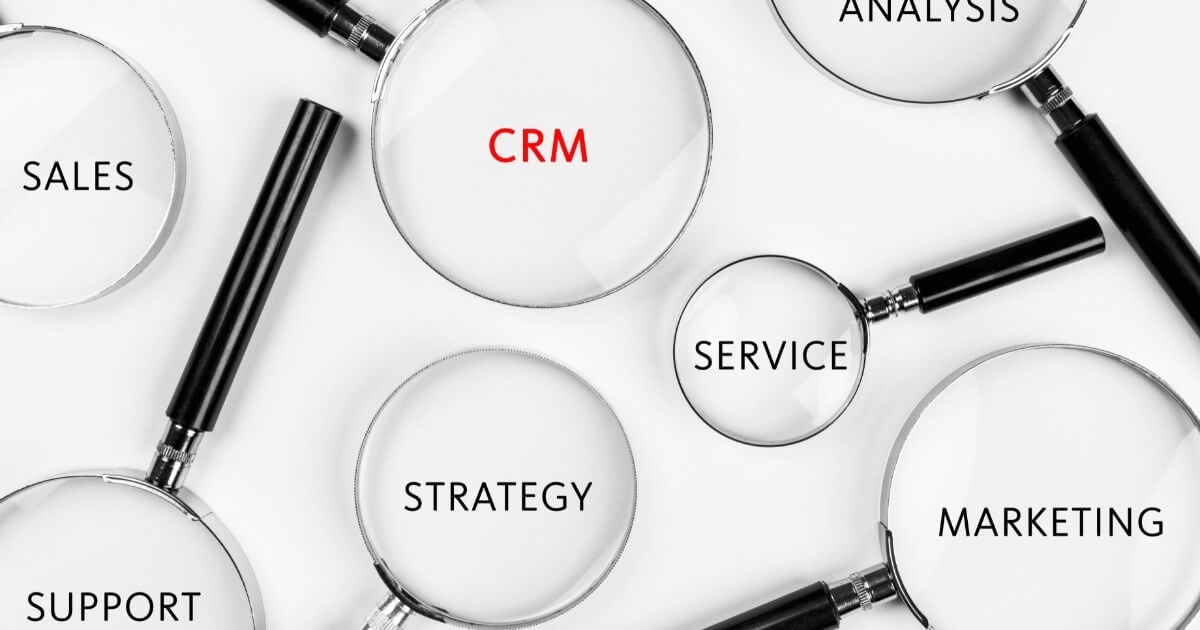
- Contact and lead management to store customer information and track every interaction.
- Sales pipeline management to automate follow-ups and monitor deals in progress.
- Marketing automation for targeted campaigns, email marketing, and audience segmentation.
- Customer support management to organize tickets and inquiries.
- Analytics and reporting to measure performance and improve decisions.
Why Your Business Needs a CRM Solution
1. Your Current CRM Feels Like a Roadblock
If your team is still relying on spreadsheets or a generic CRM that is hard to adapt, the tool may be slowing growth instead of supporting it. Custom systems remove friction by fitting your workflows rather than forcing your team to change how it works.
- Fits your exact business structure and workflows.
- Integrates with accounting, marketing, and inventory tools.
- Automates repetitive tasks to improve productivity.
2. Your Customer Data Is Scattered and Disorganized
When customer details live across multiple tools, teams lose context and decisions become slower and less accurate. A custom CRM can centralize data and create a more complete picture of every customer relationship.
- Centralizes customer data for real-time access.
- Provides a 360-degree customer view across interactions, purchases, and preferences.
- Supports smarter insights into customer behavior and future needs.
3. Your Sales and Marketing Teams Are Not Aligned
When sales and marketing operate in silos, businesses see duplicated work, inconsistent messaging, and lost opportunities. A custom CRM can connect the full funnel and improve collaboration between teams.
- Gives teams shared access to leads, customer data, and campaign metrics.
- Automates lead tracking, follow-ups, and personalized campaigns.
- Creates a smoother handoff from marketing to sales.
4. You Lack Advanced Reporting and Insights
Limited reporting makes it hard to understand sales performance, customer trends, and operational bottlenecks. A well-designed CRM should turn raw data into actionable insight.
- Identifies bottlenecks in the funnel and highlights opportunities.
- Provides forecasting and trend visibility.
- Offers tailored dashboards and reports based on your business metrics.
- Automates reporting to save time and improve consistency.
5. Your Business Has Unique Workflow Requirements
If your company has complex approvals, compliance steps, or industry-specific operations, off-the-shelf CRMs usually force compromises. A custom CRM can match your real operational flow.
- Adapts to existing workflows instead of forcing process changes.
- Automates multi-step approvals and compliance checks.
- Coordinates work across departments and connected systems.
6. Your Customer Service Is Falling Behind
Slow support response times and disconnected customer history damage trust. A custom CRM can help service teams move faster with the right context available at the right time.
- Implements ticketing and case management workflows.
- Gives support agents instant access to customer history.
- Enables self-service and automated response flows where useful.
7. Your Business Is Scaling Rapidly
Growth creates more complexity in customer management, communication, and reporting. A custom CRM can be designed to scale with the business instead of triggering repeated tool changes and licensing costs.
- Handles larger customer volumes without slowing down operations.
- Adapts to new products, services, and business models.
- Supports growth without constant platform workarounds.
8. You Need Better Security and Compliance Features
Businesses in regulated industries often need stricter control over access, audits, and sensitive data handling than standard CRMs offer. A custom system can be built to match those requirements.
- Implements role-based access control for sensitive information.
- Supports compliance requirements such as GDPR or HIPAA-related workflows.
- Protects customer data with stronger security controls.
9. You’re Missing Personalization and Automation
Modern customers expect relevant communication and fast responses. If your CRM cannot support automation or personalization, you may be missing major retention and conversion opportunities.
- Enables dynamic recommendations and segmented outreach.
- Automates behavior-based emails and follow-ups.
- Supports geo-targeted promotions and better retention strategies.
What are the Costs of a Custom CRM?
A custom CRM may require a higher upfront investment than an off-the-shelf tool, but the long-term return often comes from better efficiency, stronger customer relationships, and a system that truly fits the business.
With the right planning and development partner, the transition can be smooth and focused on measurable business outcomes.
Is It Time for a Custom CRM?
If several of these signs sound familiar, your current CRM may be limiting growth. A custom solution can give your team the flexibility, automation, and insight needed to operate more effectively and scale with confidence.
Need a migration partner?
Build a CRM that fits your business
Mejix designs custom CRM and software solutions around real workflows, integrations, and growth goals — not generic templates.
Start your project